Meet the magnificent: Five trees to celebrate this National Tree Week
Monday 23rd November 2026
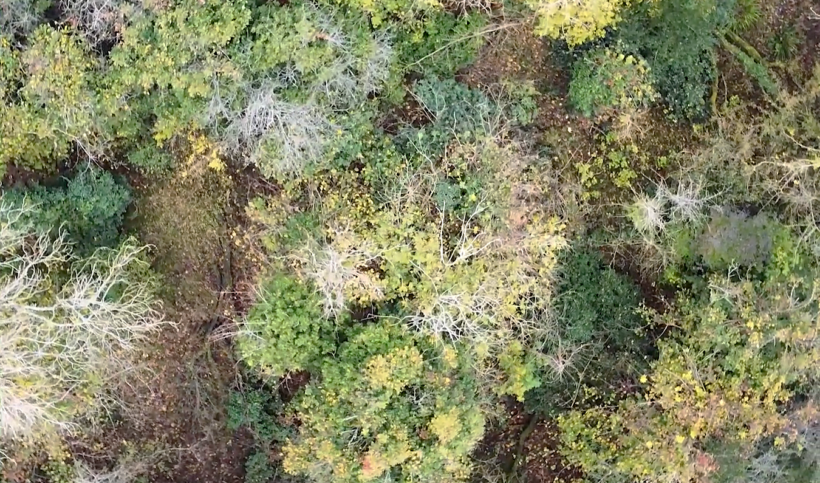
If you have visited the Science Oxford Centre and spent time in our woodland, you may have admired its majestic trees. For National Tree Week, held annually at the end of November, we asked Outdoor Learning Specialist, Dan Moden, which trees stand out for him. Read about his top five and why they hold a special place in our woodland ecosystem.
Wise. Benevolent. Respected. While I try not to humanise any form of nature, these words come to mind when describing trees in our woodland at the Science Oxford Centre. They are magnificent and worth celebrating during National Tree Week. Of the many tree species we have, these are my top five:
Ash
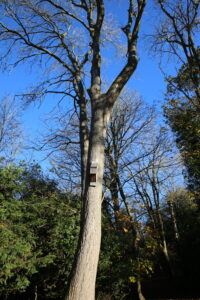
Ash is the dominant tree species in our woodland. For now. But sadly, our trees show signs of the fatal, fungal disease ash dieback. Losing these trees could radically change the shape and appearance of the woodland. The disease is widespread across the UK and, although estimates vary, it is likely that over time most ash trees will be affected. It goes without saying that this is devastating for woodlands. It’s hard to imagine the centre without its towering ash trees.
Yet, there may be an unexpected benefit: more deadwood. Deadwood is a vital part of woodland ecosystems, as it provides habitat for invertebrates, fungi and lichens, as well as roosting opportunities for bats. Some of our most threatened woodland bird species are cavity-nesters and use deadwood as habitat. Could ash dieback help bring endangered species such as lesser-spotted woodpeckers and willow tits back to Oxfordshire? Given the scale of their decline, it feels like a moonshot, but nature has a remarkable capacity to surprise us.
Hawthorn
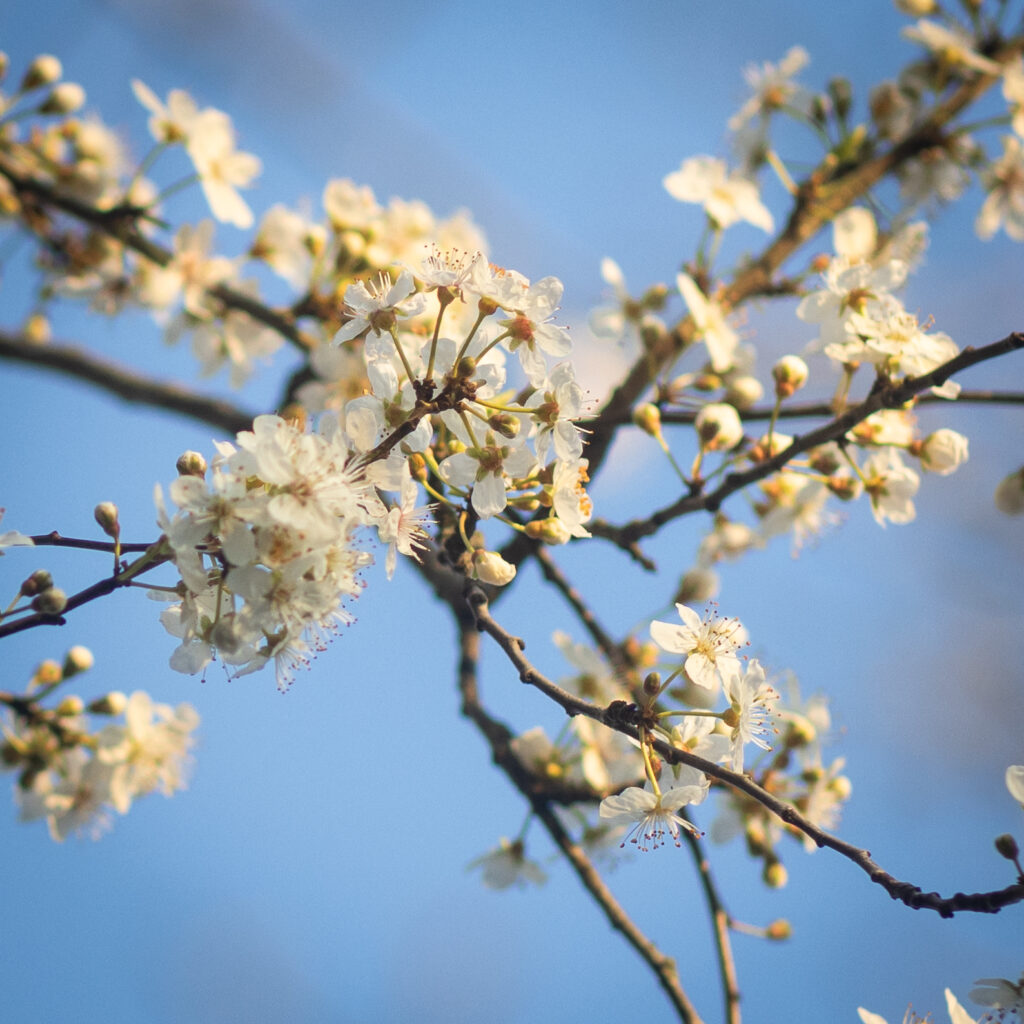
The humble hawthorn could never reach the heights and stature of our tallest ash and oak trees but, in other ways, they are just as spectacular. Come springtime, hawthorn dazzles with its exuberant displays of blossom which lend it the name ‘Maybush’. It’s a feast for the eyes but also an olfactory delight – drive, cycle or walk past a hawthorn hedgerow in full bloom and you might smell it before you see it.
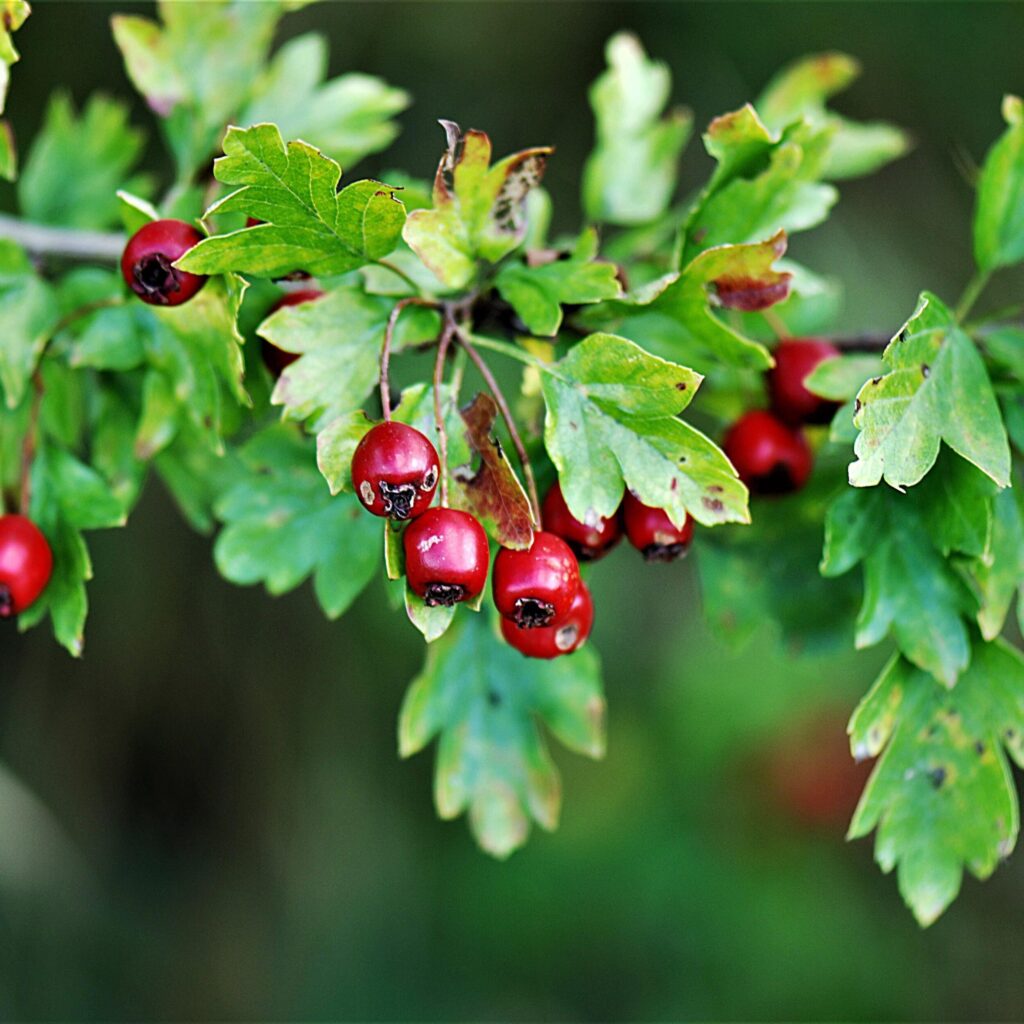
While the spring blossom is over before you know it, come autumn, the next spectacle arrives – a feast of blood-red berries known as ‘haws’. By the time the berries have matured migrant thrushes, like redwings and fieldfares, arrive from Scandinavia. Large flocks of winter thrushes can make short work of a hedgerow of berries, stripping them bare in days before moving further across the country to find fresh supplies.
Oak
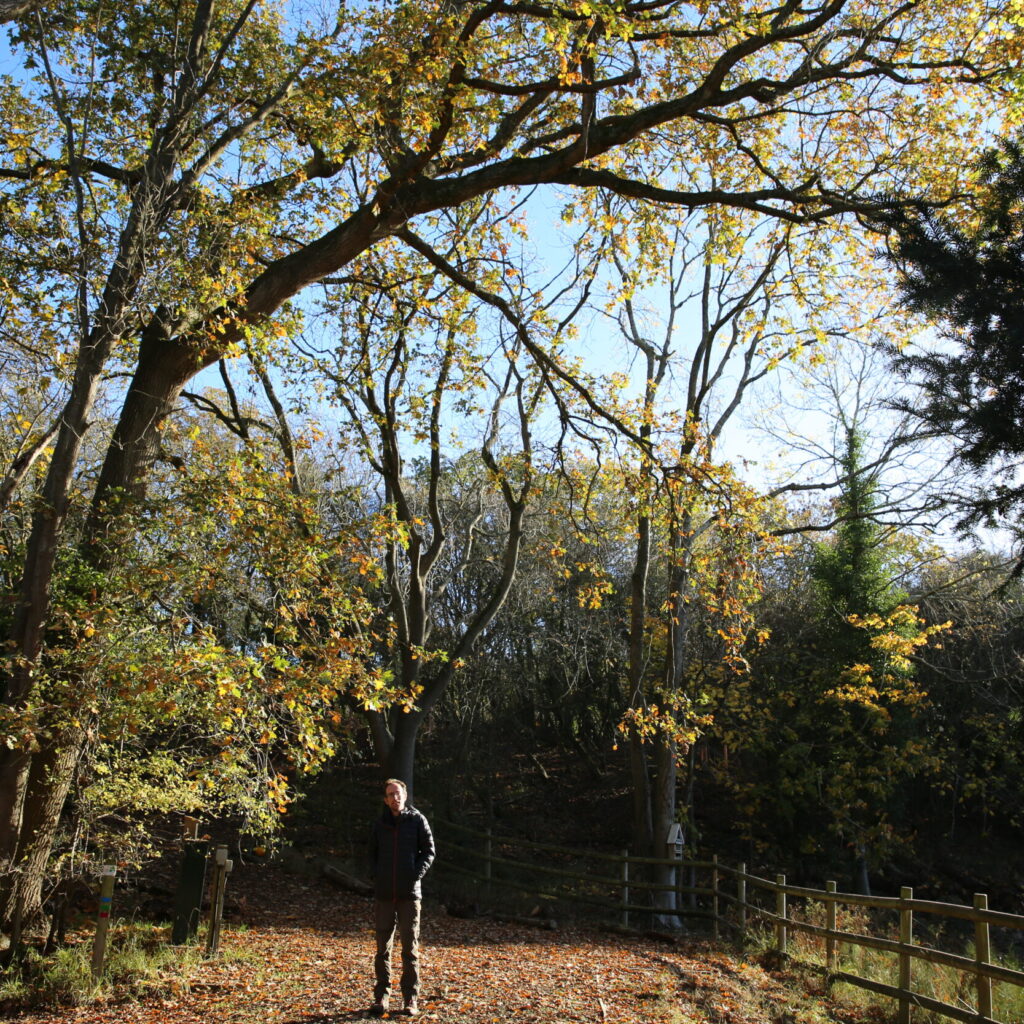
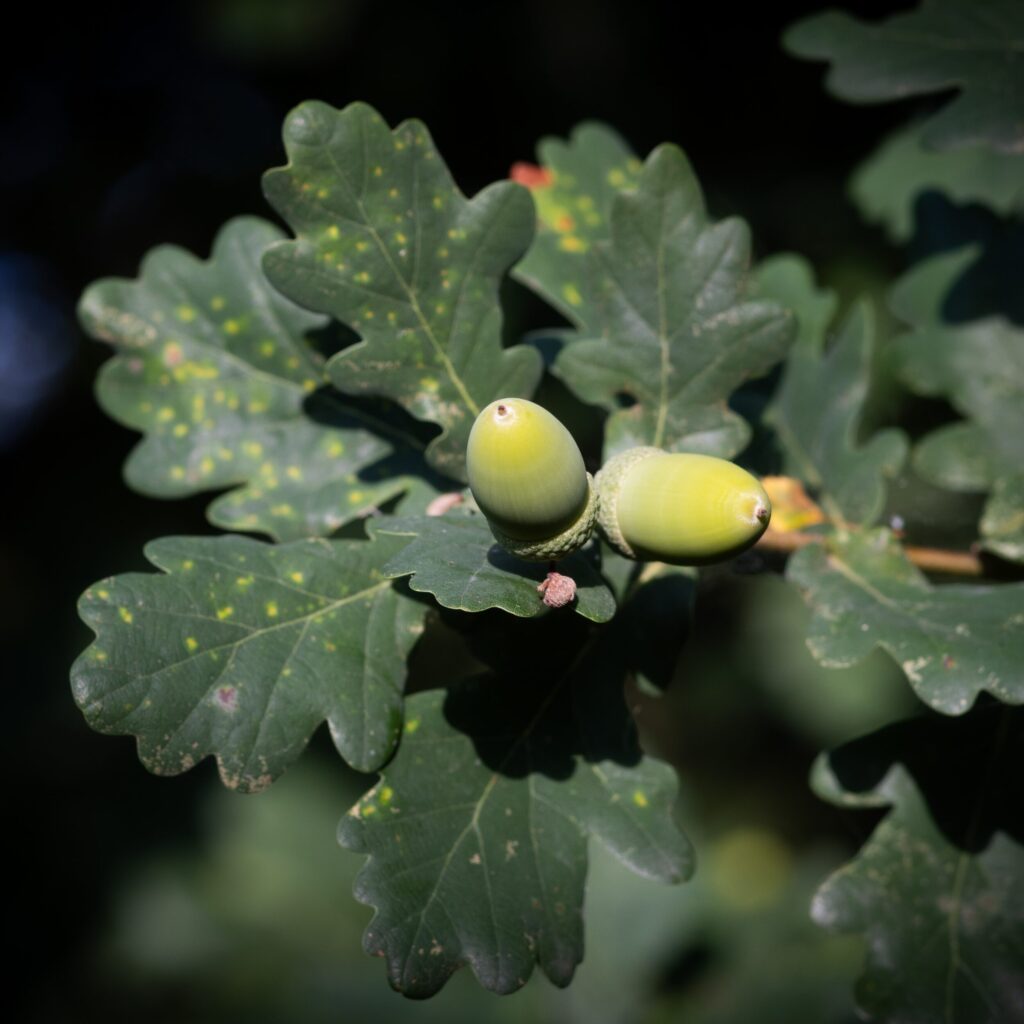
The oak is the archetypal ‘English’ tree, celebrated as strong and robust. Indeed, its Latin name Quercus robur means ‘oak robust’. Durable and resistant to rot, the oak used to be the timber of choice for shipbuilding until it was replaced by iron and steel. Demand from the Royal Navy and commercial shipbuilders greatly depleted the UK’s woodlands by the early 19th century. In an early nod to recycling and sustainability, timber from decommissioned warships was repurposed for construction projects in dockyards, warehouses and railway lines.
We have some fine oaks at the Science Oxford Centre which, by late summer, produce a crop of acorns. However, it is difficult to collect them for educational activities as the resident squirrels and jays stash them away first!
Elm
The impact of ash dieback might seem a new and shocking experience but, sadly, it’s not the first time our landscape has been transformed by a devastating disease. I barely know the elm as a characteristic English tree. Yet, for generations before me, elm trees would have been a familiar and prominent part of our rural landscapes, both in woodlands and agricultural hedgerows. Then, Dutch elm disease took hold. Spread by elm bark beetles, it killed an estimated 25 million trees. Species that rely heavily on elms, like the white-letter hairstreak butterfly whose caterpillars feed only on elm, suffered devastating population losses. Fortunately, disease-resistant varieties of elm have been developed and planting schemes are helping to recover a lost landscape. We are very lucky to have a population of this much depleted butterfly at Science Oxford, occasionally seen fluttering around the canopy of our elms.
Yew
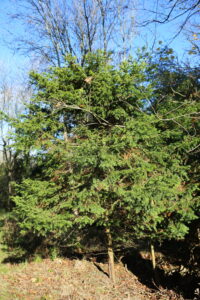
Yew is the only evergreen species in my top five and, as it retains its needle leaves when others stand bare, it holds a distinct presence compared to the deciduous trees.
It also stands out being a toxic tree, with most parts being highly poisonous. Do not consume! Yew’s deadly quality may be one of the reasons it was planted in churchyards, where it may have helped deter grazing cattle.
From an ecological perspective, having Yew in the woodland could attract the once rare bird, the firecrest. This little bird is spreading north through the UK and favours mixed woodlands with some evergreen trees. I’ve heard a few snatches of their song across the summer. I wonder how long it’ll be until they become established at the Science Oxford Centre.
Special mentions
While Linden and Aspen trees are not prominent species in our woodland, these are among the favourite trees of co-founders of The Oxford Trust, Sir Martin and Lady Audrey Wood. If you have visited the Science Oxford Centre recently, you may have noticed the two buildings of the Wood Centre for Innovation are named Linden and Aspen as a tribute to our co-founders, who were dedicated environmentalists and also founded sister charities, the Earth Trust and Sylva Foundation.
Celebrate National Tree Week
National Tree Week is a chance to look up and around and appreciate the remarkable trees around us. Whether it is the ash facing an uncertain future, the oak feeding wildlife, the hawthorn supporting migrating birds, or the yew standing green through winter, each species plays its own part in the woodland. Together they create a living landscape that is constantly changing, supporting countless plants, animals, insects and fungi along the way.
If you visit the Science Oxford Centre, take a moment to explore the woodland and see what catches your eye.
Find a favourite tree in the woodlands.
- Stand next to it.
- Touch the bark. Look at the bark through Dan’s handy bark comparison tool
- Hug the tree to see how wide it is.
- Look up and admire the branches.
- Try to imagine the tree living through one year. How would it look in different seasons? Why would it change?