Butterfly Wonders
Thursday 17th September 2026
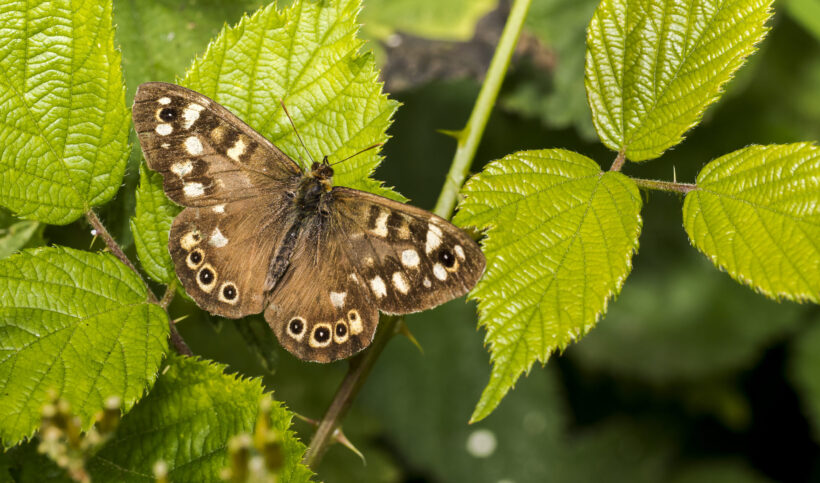
Our Outdoor Learning Specialist Dan Moden is passionate about butterflies. Reflecting on his first spring and summer exploring wildlife around the Science Oxford Centre, alongside the recently published 2026 Big Butterfly Count results, he shares his observations and insight.
I joined Science Oxford in April at one of the best times to witness wildlife at the centre. From early spring, nature bursts into life, bringing something new to see each day. I have a particular passion for butterflies and seeing their emergence after a long winter absence always brings me joy.
In their own time
Butterflies emerge at different times across the year. When I arrived, the early emergers – peacocks, commas and brimstones – had already been out for a few weeks.
Peacocks, commas and brimstones can overwinter as adults. Physiological adaptations, including antifreeze compounds in their body fluids, help them survive low temperatures, allowing them to quickly become active again during warm spells in late winter and spring.
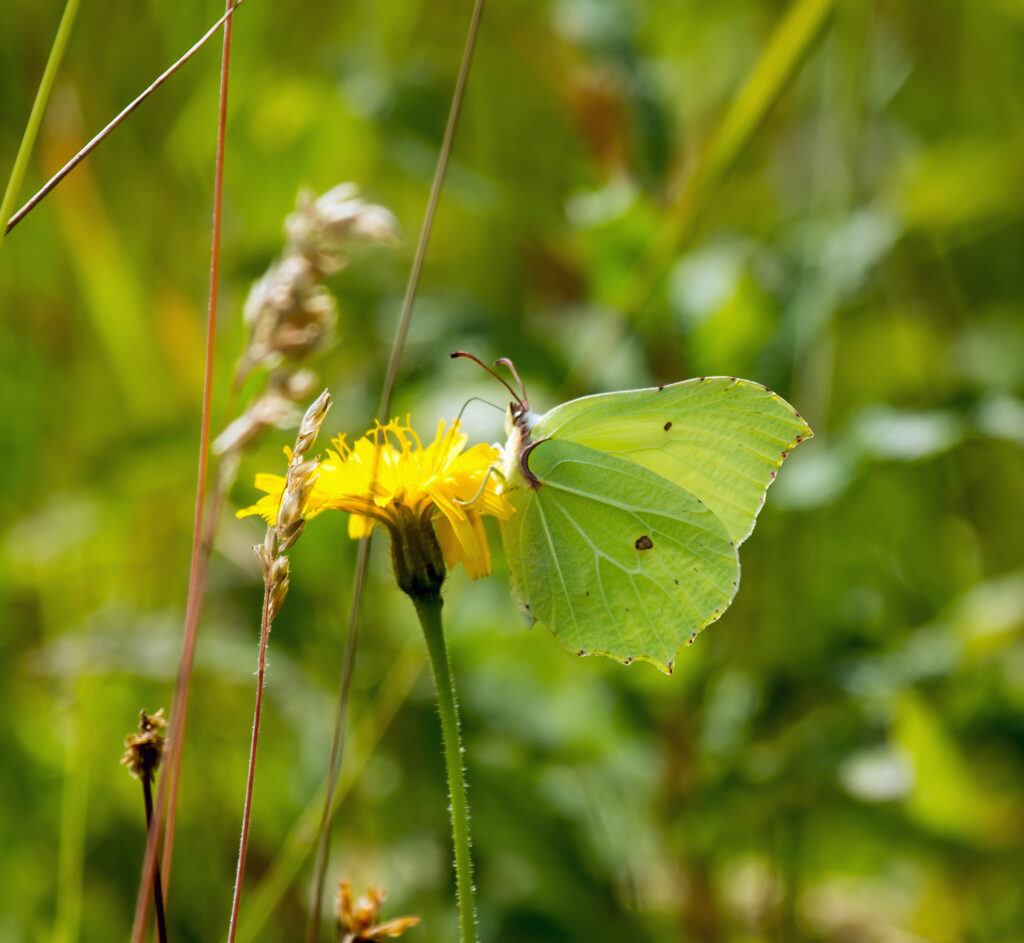
They were soon joined by other spring fliers – orange tips, holly blues, speckled woods, red admirals and the whites (small, large and green-veined). Moving into June and the hot summer season, meadow browns, ringlets, gatekeepers and small and large skippers provided new interest as some of the spring species faded away.
The unexpected
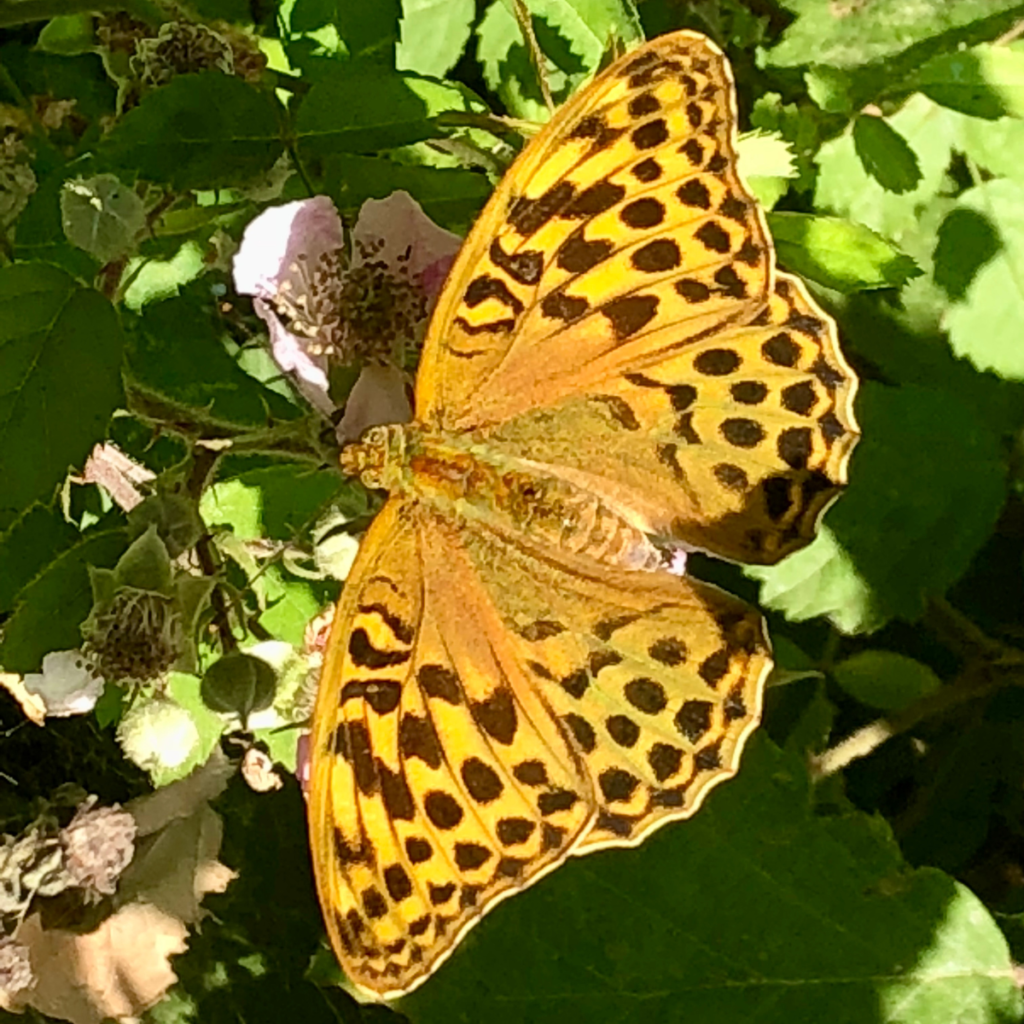
You could expect to see all these species in any Oxfordshire woodland or grassland. However, I have been lucky enough to also discover one or two rarer butterflies in our woodlands, like the silver-washed fritillary, a large butterfly with a very impressive gliding flight. As it swooped over a bramble patch, it dwarfed all the other butterflies nectaring on the bramble flowers.
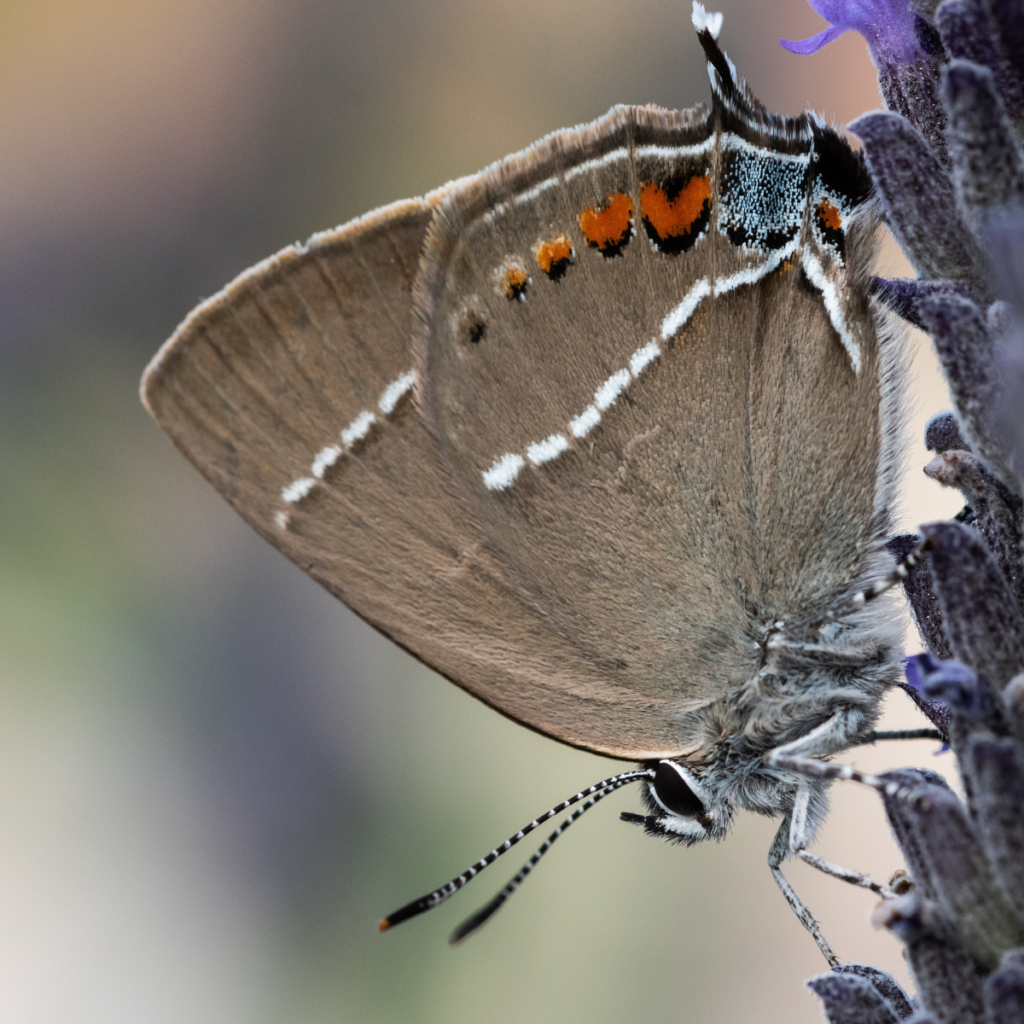
More unusual was the sight of a white-letter hairstreak. One of the elm trees in the woodland hosts an elusive colony, and when a butterfly fluttered down to nearby bramble flowers, staying long enough for me to see the distinctive white w-shaped line on its underwing, I knew I’d witnessed something special. Being dependent on elm, the white-letter hairstreak has suffered significant population declines due to Dutch Elm Disease.
Ecological indicators
In 2024, Butterfly Conservation declared a Butterfly Emergency in response to the long-term decline of most UK butterfly species. Butterflies are said to be powerful indicators of wider changes and stresses in the environment. This includes increased urbanisation and habitat loss; more extreme weather conditions caused by climate change; or intensive farming and its associated use of pesticides. Butterfly populations respond very quickly to these changes, so if their populations drop rapidly, we can look to the wider environment. And, if butterfly numbers are dropping, it is likely that other, less visible invertebrates are suffering too.
Results from the 2026 Big Butterfly Count may be somewhat misleading as the hot, dry weather has created wonderful conditions for butterflies this year – for example, holly blues and gatekeepers had their best count results ever. However, with the landscape parched and so many plants perishing early in the season, this year’s caterpillars (next year’s butterflies) are likely to have been left hungry. Experts at Butterfly Conservation are already predicting significantly reduced butterfly and moth populations in 2027.
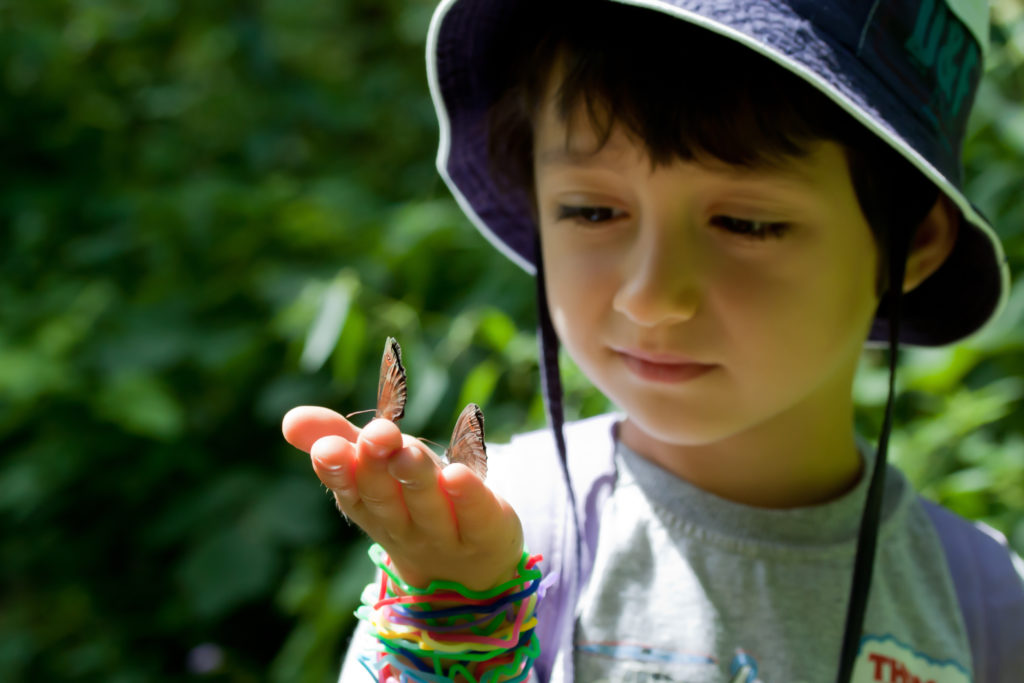
Shifting baseline syndrome
Butterflies can also be powerful symbols of Shifting Baseline Syndrome. This is the idea that each generation accepts its own experience of nature as normal, having not witnessed times when wildlife was more abundant and the environment less degraded.
Many people have commented on the ‘bumper’ couple of years for butterflies, especially after the disappointments of 2024. Although 2025 and 2026 have been relatively good years by recent standards, butterfly numbers remain far below historical levels. From my own experience, I would expect to see small tortoiseshells fluttering through the woodlands and grasslands at Science Oxford, yet I have not seen a single one here – or indeed anywhere in Oxfordshire – this year.
My experience reflects a worrying wider trend. Although small tortoiseshell numbers recovered somewhat in 2025, it showed a 30% drop in this year’s Big Butterfly Count and the species remains in long-term decline across much of the UK.
It is sad to think that the next generation of butterfly enthusiasts may grow up hardly knowing this beautiful butterfly at all. The “clouds of butterflies” described in historical nature writing now seem to belong to the past.
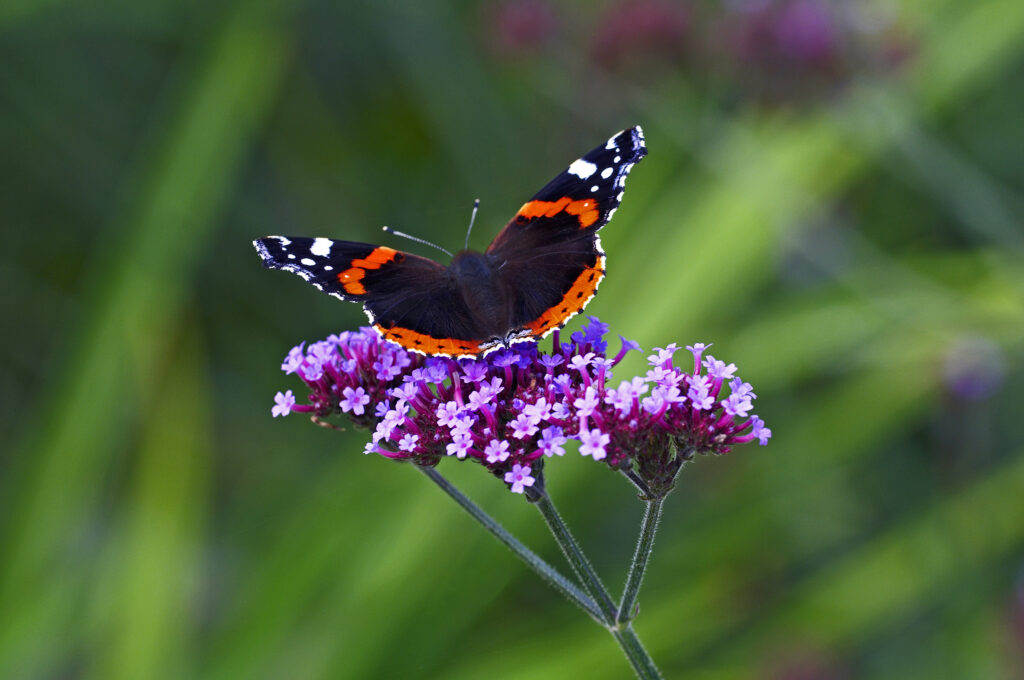
The future for butterflies
It’s not all doom and gloom as we always have hope! Some butterflies seem to be adapting to change and have shown increases in numbers and ranges over recent decades, such as orange tips, commas, red admirals and speckled woods.
You can help butterflies too:
1. Become a butterfly enthusiast and learn more about them.
I recommend reading The Butterfly Isles by Patrick Barkham. He sets himself the demanding but delightful challenge of seeing all the UK’s butterflies in one calendar year.
2. Grow a butterfly-friendly garden.
Plant nectar-rich flowers and leave some untidy areas for shelter. One Butterfly Conservation study showed that gardens with long grass had 93% more butterflies than closely-mowed lawns. Planting holly and ivy will not only provide refuge during heatwaves but also serve as food plants for caterpillars.
3. Install a water-butt so you can keep your garden green even in periods of drought with hosepipe bans.
4. Avoid using chemicals that can harm butterflies
5. Support the wonderful charity, Butterfly Conservation, by becoming a member or participating in the Big Butterfly Count 2027.
Big Butterfly Count 2027
The Big Butterfly Count is my favourite citizen science scheme. It’s mindful, connects you with nature, helps you master butterfly identification (and you can take part even if you’re a beginner), and, most importantly of all, it helps scientists track butterfly populations and plan conservation strategies. Counting butterflies is enjoyable in its own right, but these observations also tell us something important about the health of the wider environment. The next Big Butterfly Count runs from Friday 9th July to Sunday 1st August 2027.

Visiting the Science Oxford Centre
Look out for butterflies and wildlife when you visit for a Family Day, open every Saturday, and explore 15 acres of woodland with our Explorer Backpacks and spotter sheets. You can also join Dan at our regular monthly Nature Club for ages 5-9, with seasonal themes and indoor-outdoor learning activities from pond dipping and grass sweeping, to plants and pollinator workshops and much more. See what’s on here.
Cover image: Speckled wood butterfly