Summer sunshine and seasonal shifts
Friday 5th September 2025

(please click play on the audio if you’d prefer to listen to this blog)
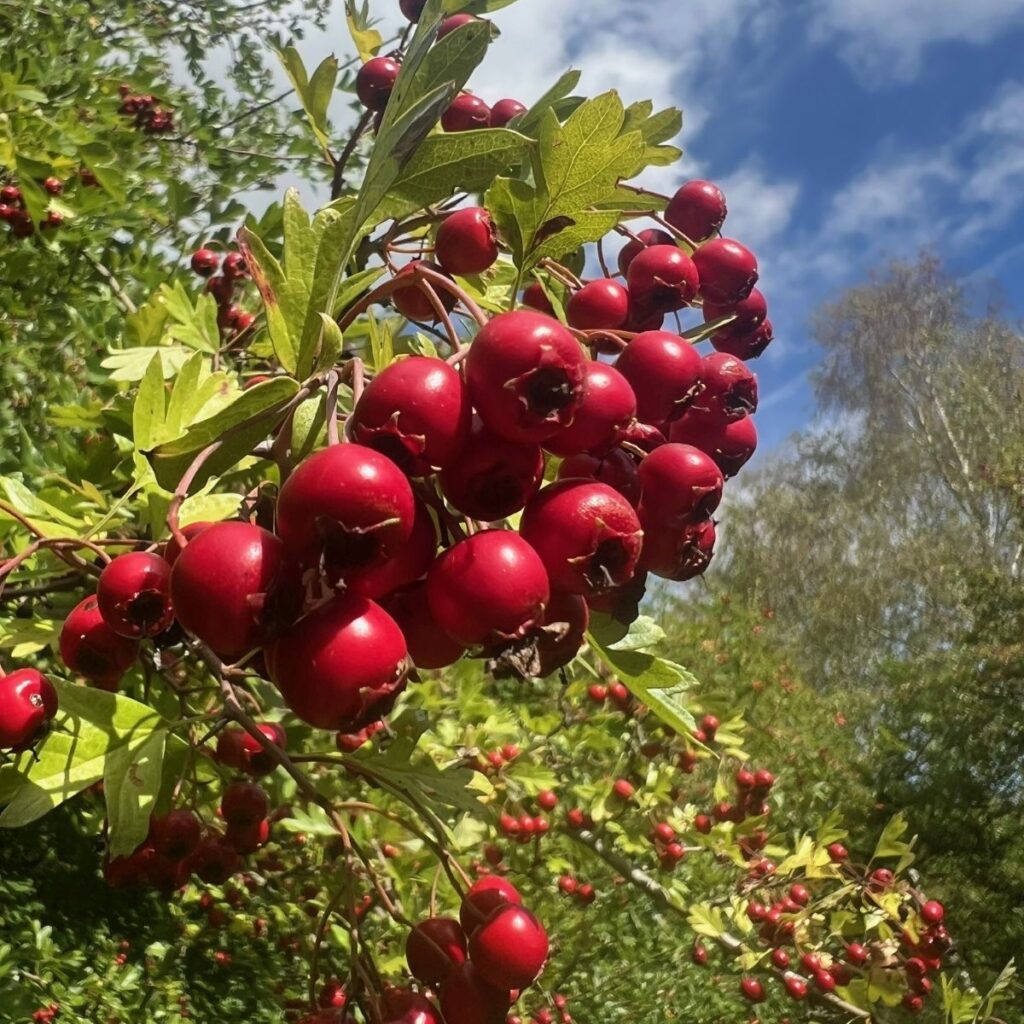
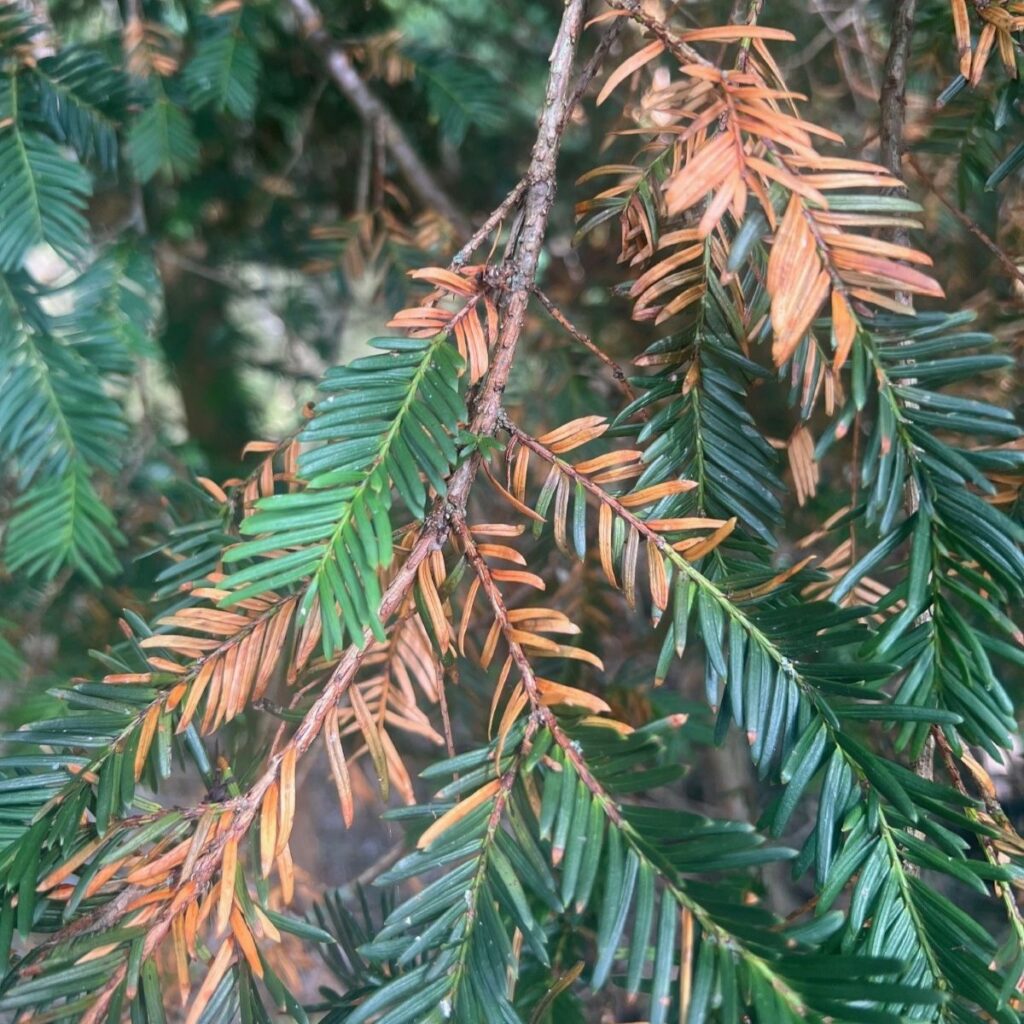
As we enter meteorological autumn, you’d be forgiven for thinking we got there several weeks ago. As I walked around the woodlands last month, I saw trees and bushes laden with ripe fruit that tradition tells us aren’t usually ready for picking until September or October. Leaves were turning yellow or brown and several species had given up and, as an emergency measure, shed their leaves as if winter were on our doorstep.
Transitions
The fixed dates of the meteorological seasons are for convenience only, allowing us to compare statistics for fixed three-month periods year on year. But in reality, variation happens every year, and 2025 is already setting new records for temperature. The Met Office is predicting that 2025 will ‘almost certainly’ be the warmest since records began in 1884. Large parts of the country have also experienced drought – we’ve been under a hosepipe ban here in the southeast since the end of July.
As well as changes in the weather, we experience alterations in day length caused by the Earth’s axial tilt, like all who live away from the equator do. This is not a simple linear relationship with time – that is to say, the amount of daylight we gain or lose each day is not constant. This daily change is lowest at the summer and winter equinoxes and greatest at the spring and autumn equinoxes. For example, at the moment (autumn equinox) in the UK we are losing almost 5 minutes of daylight each day as the sun rises later and sets earlier, even more so at higher latitudes. That equates to nearly 35 minutes in a single week!
Survive or thrive
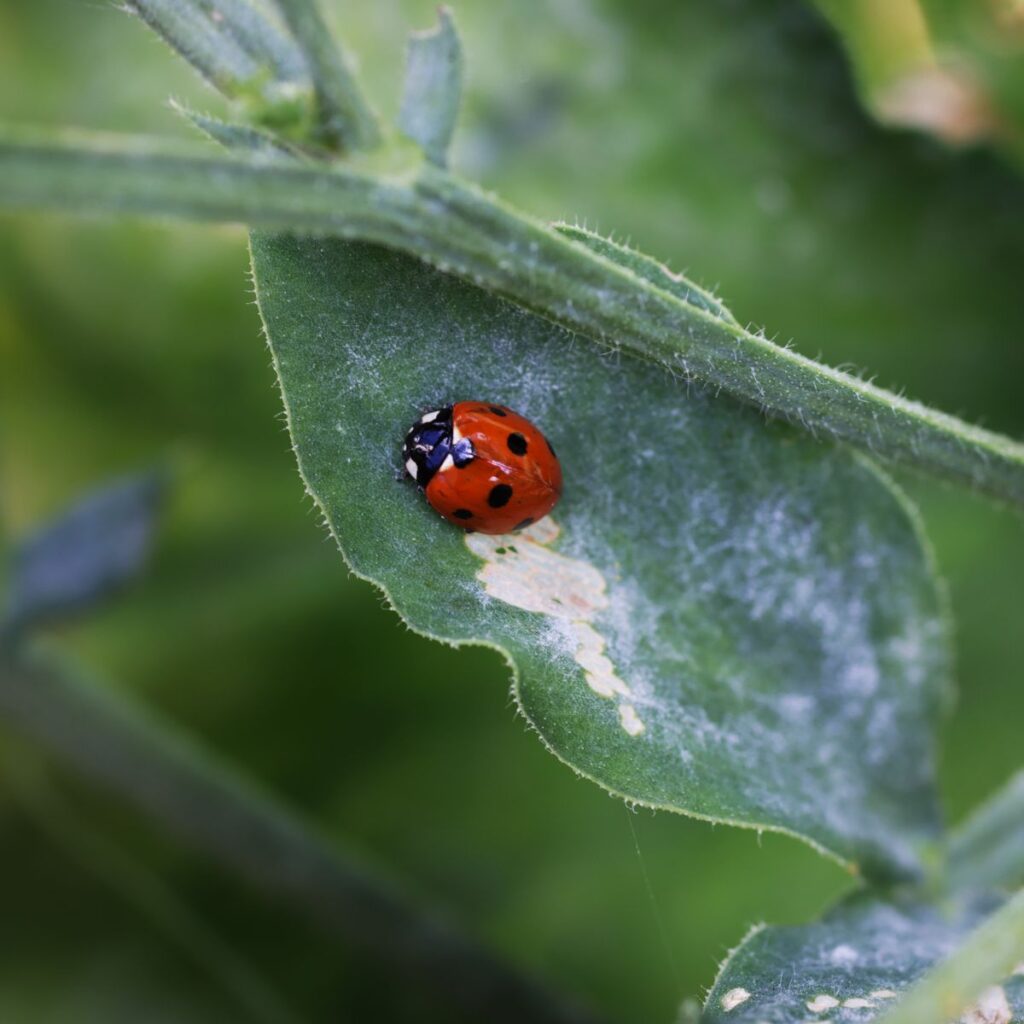
All these changes are well studied and reasonably well understood by us humans, but spare a thought for wildlife. The plants and animals that make up the natural world are struggling to cope with the (relatively) wild variations we are experiencing each year. We’ve seen dramatic ‘blooms’ of animals that thrive in warm dry climates with record numbers of some invertebrates. One group that benefitted were the ladybirds – a swarm even stopped play as England’s cricket team took on India at Lords this summer. Many butterfly species also appreciated the dry summer with early emergence and high rates of survival. Perhaps less popular with some, many spider species, which can survive with minimal water and predate on these other abundant organisms, have also been seen to thrive. Of course, you won’t see the many, many species that haven’t done so well, because they’re not there!
Some invertebrates which have thrived this summer


Plants are often the group that pay the highest price in drought. They can’t relocate to find moisture and have to wait in the hope that rains will come. This summer I’ve sadly seen many young trees shrivel up and die. Beech, birch and sycamore seem particularly susceptible due to their shallow root systems, but the lack of rain puts all plants under great stress. Fruit trees have appeared to have had a bumper year as all that solar energy is converted into sugars. However, they still need water and I’ve seen branches breaking off apple trees laden with fruit but turning brittle as a consequence of the drought.

Such is the close ecological relationship between species, that even those that are benefitting from the weather may not see a long-term gain. The abundant butterflies lay eggs on plants; if this food stock for the emerging caterpillars wither up and die then it will be a classic case of ‘boom and bust’.
Play a part
While it is hard not to be concerned, we can be hopeful that nature will always find a way. Scientists are always looking at ways to safeguard the future through innovation whether it be through carbon capture and green energy technologies or the development of drought resistant crops and large-scale reforestation projects. I believe, as custodians of the planet, humans have a responsibility to demonstrate strong environmental stewardship. Every individual can play a part by minimising energy usage, reducing waste and conserving our natural resources to ensure a healthy and thriving Earth for current and future generations.